

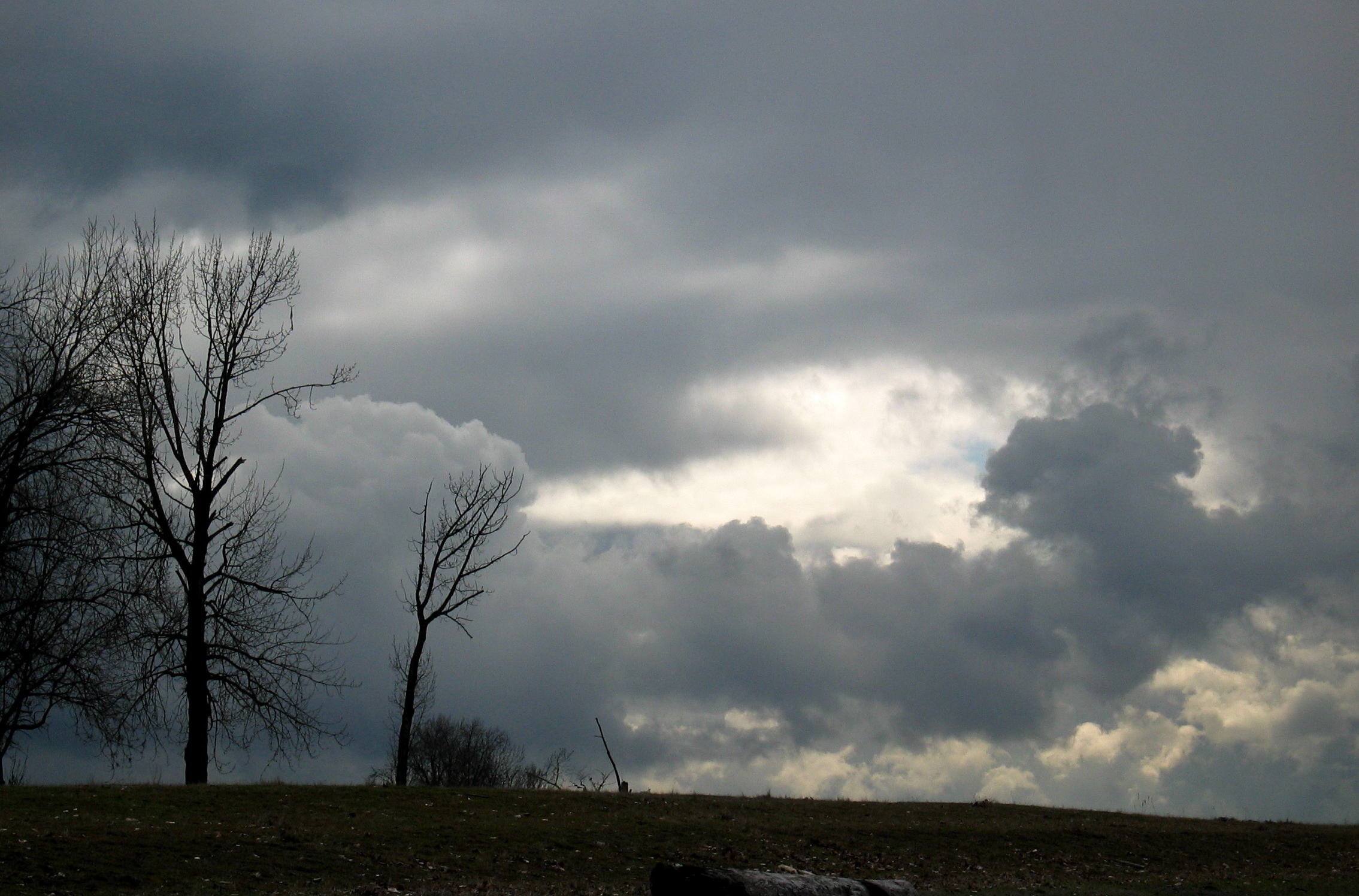
March. Is it noun or a verb: a month, or an order? Maybe it is an invitation to start moving forward again after a long winter?
It is gray and rainy in the Pacific Northwest, which I just inadvertently types “North Wets” which might actually be more accurate. I like the weather in this corner of the country, and the dark stormy days that are good for staying inside, reading, napping, binge-watching shows. The times in the winter when the clouds part momentarily and sun and blue sky peeks through are that much sweeter set amidst the omnipresent rain and darkness. But by the beginning of March I need a break, I am ready to get away.
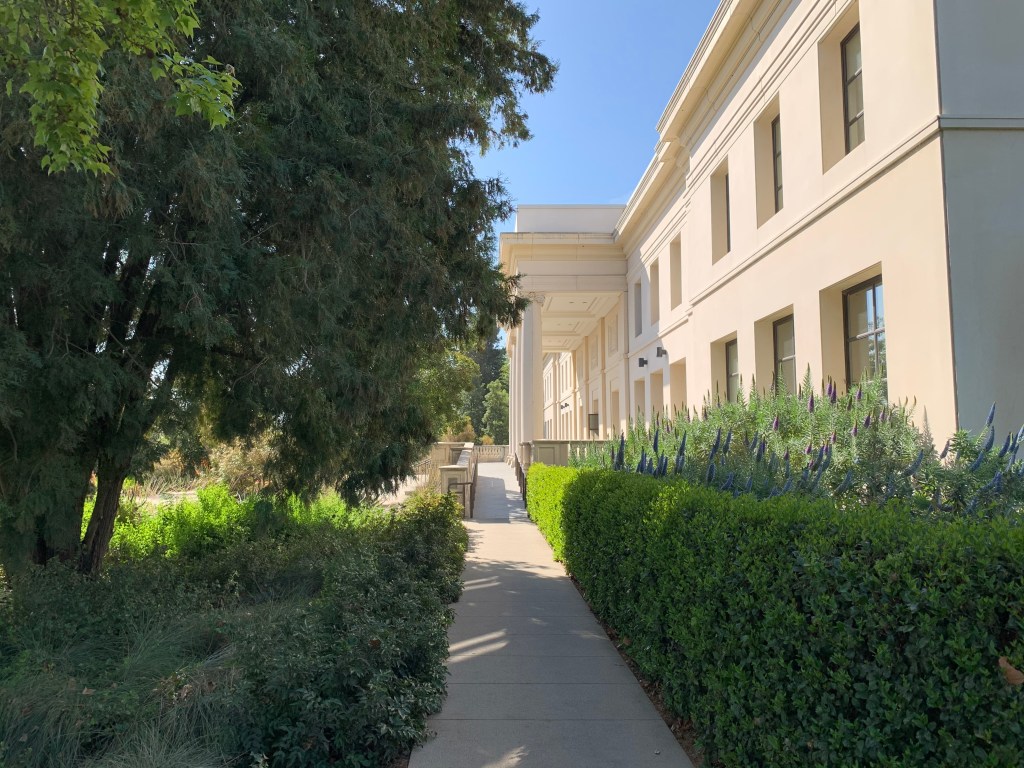
For years my favorite retreat was the Huntington Library near Pasadena, California. It was a sunny, glorious oasis, a place I would go to for a week, ostensibly to do research, but also to soak up some warmth and light, to wander the awesome and varied gardens, and to reawaken my mind in the archives, reading letters and journals from the California gold rush era.
I called it “working” at the Huntington, but it was really playing, of the best sort!
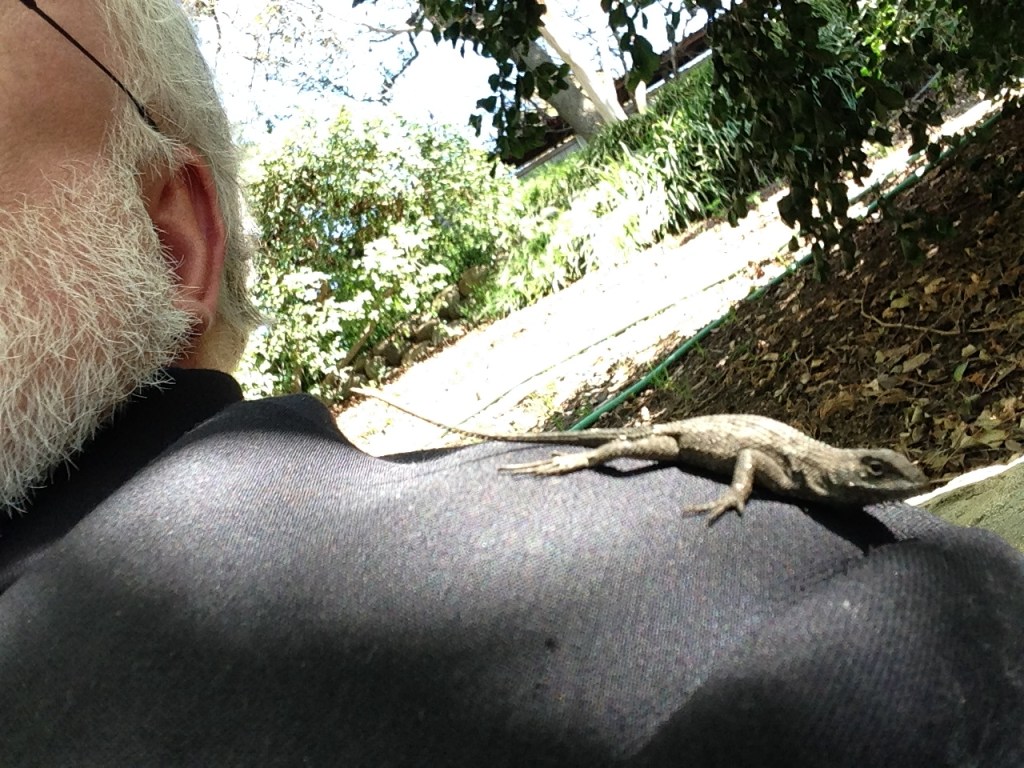
Once, after lunch, I was sitting alone on a bench overlooking the Japanese garden, feeling one with the world. People kept walking by, and some started smiling at me. I thought I must just be a perfect model of happiness and contentment. Then someone said, “I like your friend!” And laughed as she strolled by. What was she talking about? Then I notice a small lizard had crawled up onto my shoulder, and was as happy there in the sunshine as I was on the bench! Instead of being startled, I felt even more at home in this world.
The letters I researched at the Huntington also made a deep impression on me. I initially went there in the mid 1990s doing research on the rise of Sacramento during the gold rush, looking for anyone who had mentioned the town or spent time there during the 1850s. The Huntington’s collection of gold rush letters is a rich vein to mine for historical gold. The two other best repositories are the Bancroft library in Berkeley, and the Beinecke Library in New Haven, at Yale. I had worked in all three—the Beinecke at first seemed the oddest at first glance; why would gold rush letter be collected in New England? But of course, the letters were mainly directed to families in the eastern states! New England had contributed a disproportionately large number of sojourners to the California excitement. It and the Bancroft library had perhaps the deepest collections.
The Huntington, by contrast, began as a private collection instead of part of a university powerhouse. Its collection more closely followed the interests of its earliest collectors, and it has great material on the gold rush, Abraham Lincoln, and a Gutenberg Bible and other medieval manuscripts. Odd bookshelf neighbors, perhaps, but together with the gardens all part of an imaginative synergy that lights up the mind as the climate lights up the body in mid-March.
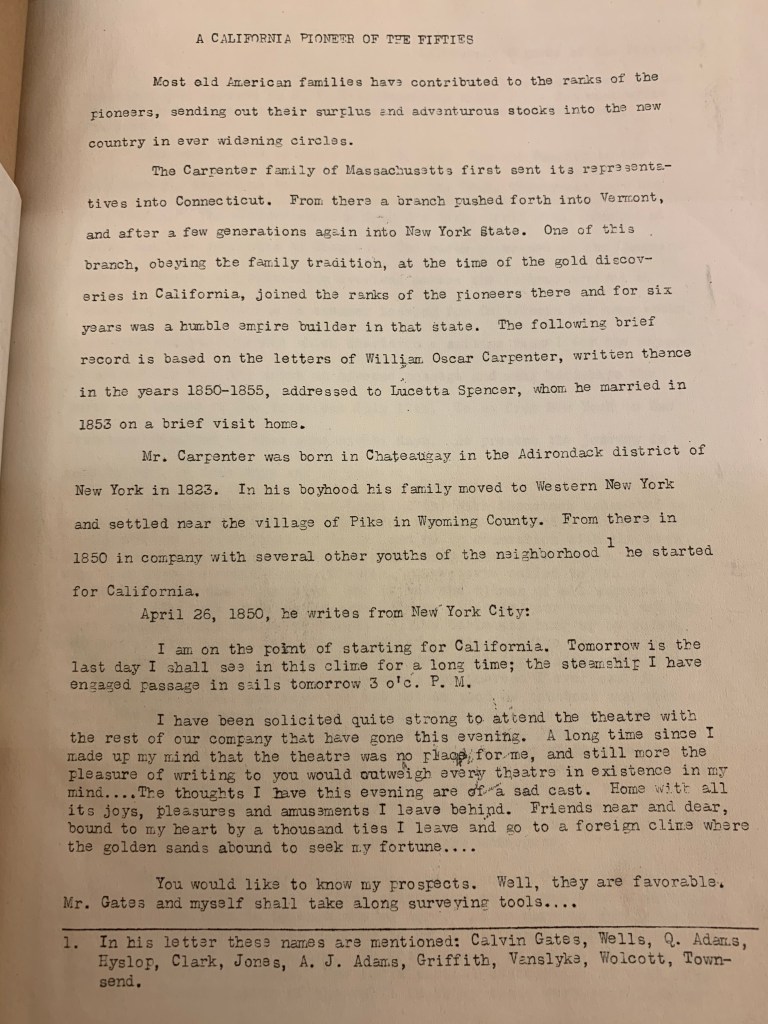
Which brings me to the March, or the Rush, or the seeking of warmth in winter. And which introduced me to William O. Carpenter, a young man who set off from upstate New York to find his fortune in California in 1850. He was not a great historical figure, a John Sutter or a James Marshall, not one of the great gold rush millionaires or early California gold Barrons. When I first found his letters I assumed they would be a quick read, something that might have a few observations on Sacramento that I could use and then move on. I was struck at first that his file was very thin, that his letters had been typed up by someone in the past. I was delighted that they would be a fast and easy read.
Except that they were not.
Though there were less two dozen pages, they were crammed full of information and insights. Next, the character of William himself caught me up and did not let go. At first he seemed to be a typical “49er,” almost a stereotype of the average naive young man heading west. But he very quickly deepened, developed, and became someone whose story was hard to put down. He became a significant character in my first gold rush book, Gold Rush Capitalists.
But William stayed with me. While teaching the gold rush in the following years, I found myself referring to him more and more in lectures, challenging both my students and myself. In a postmark to his story, William indicated that he was not sure he had been right to leave California when he did. It was in some ways like a game of poker—at what point do you leave the game, at what point was the winning, or losing, significant enough to call it quits?
I started wondering about other miners who had clearly succeeded or failed, and returned to the Huntington, during March spring breaks, searching for their stories, trying to figure out how the gold rushers measured their fortunes. I found stories of triumph, and of disastrous failures, and of others who also questioned their success. What they wee really doing, I soon realized, was questioning their goals. And through these stories I came to see that the gold rush was something much different than I had at first imagined. That the measure of fortune could not be easily laid out, because the foundations of fortune were often hidden from researchers like myself trying to understand these men and women. Moving from my viewpoint to theirs was a journey in itself. It was a movement that seems to return to mind every spring, as I think of those trips to the Huntington.
I have wanted to tell the story of William Carpenter and to understand the uncertainty that seemed to lay at the heart of his life. My last trip to the Huntington was in the week just before the library closed due to Covid. But I made complete copies of several manuscripts that I brought home to work on in my spare time. Covid, of course, meant I had no spare time—it was filled up learning to teach online, to deal with students suddenly away from Portland, scattered to New York and Hawaii and Arizona and many places in between. And when that semester from hell ended, I retired. I thought I would have time to do research then, but of course archives were slow to reopen, and without the push of a career, the pressure to research the gold rush deflated. The copied letters I brought home remained largely unopened, unexamined.
But it is March. And it is time to move again.
Perhaps this website will push me to return to William Carpenter and his companions one last time. Over the coming weeks I plan to revisit these men and women (and yes, it is a story of women, too, despite the gold rush stereotype). I plan to write their stories out in installation format and publish them here on the website. Maybe even turn their story into a podcast of sorts. My son, the playwright, has been pushing me for some time to do this anyway, either by myself or with him.
Will this work? I don’t know, but I am ready to give it a try. I will begin writing their stories up in short installments, will probably write a handful or so before posting them, just to make sure it is actually feasible. Stay tuned here to see if I succeed!
It is time. It is March.

 My History Notes